Gum Disease Treatment at Dale House
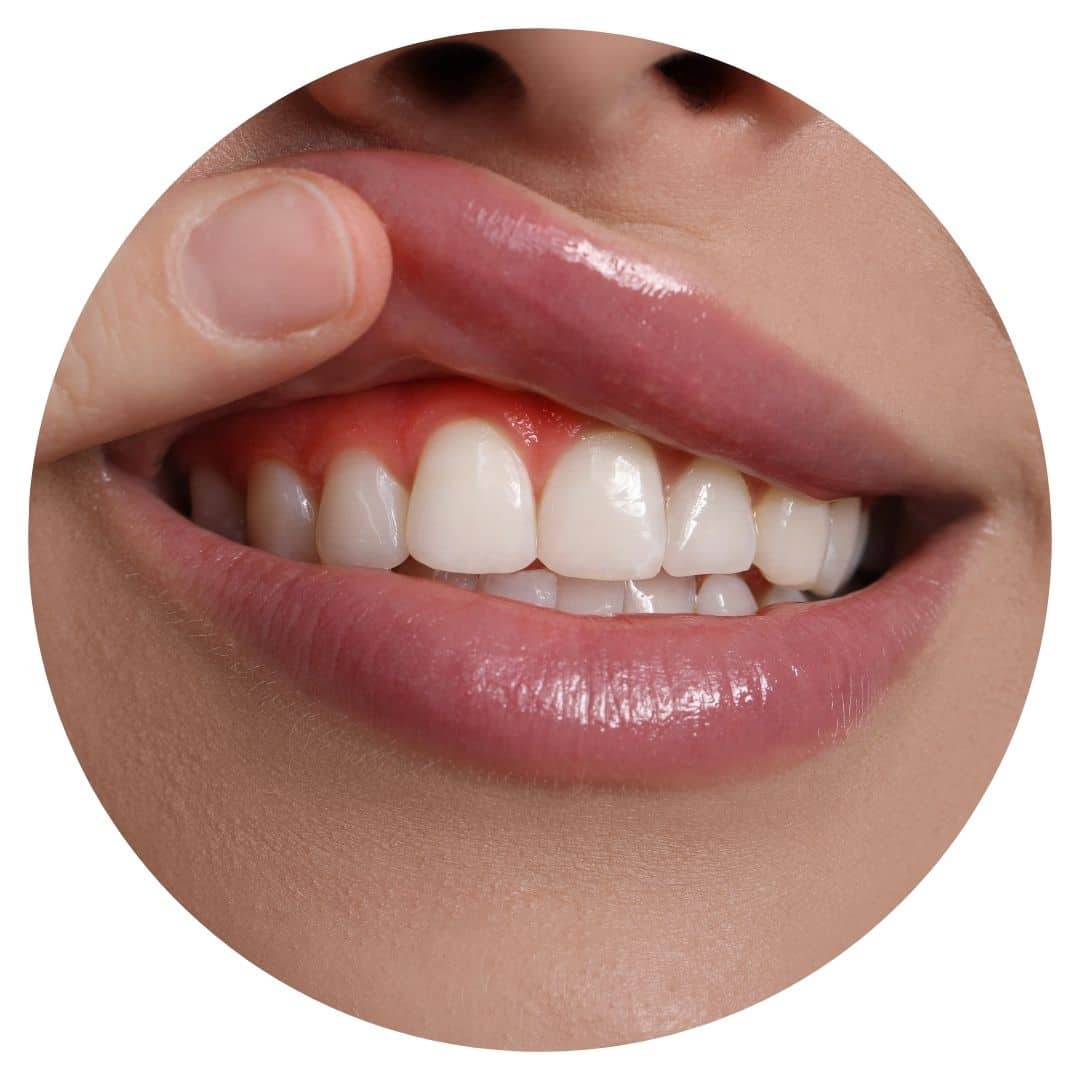
Healthy gums are the foundation of a healthy smile. Gum disease can lead to bleeding gums, bad breath, gum recession and even tooth loss if left untreated. At Dale House Dental Practice in Tamworth, we provide personalised gum disease treatment to remove harmful plaque and bacteria, restore gum health and help protect your smile for the future.
- Gum disease assessments available
- Professional gum treatment and deep cleaning
- Personalised gum health advice

Gum Disease Treatment for Healthy Gums in Tamworth
Gum disease treatment is an effective way to restore the health of your gums and protect your teeth from long-term damage. At Dale House Dental Practice in Tamworth, we provide personalised periodontal care to treat gingivitis and manage more advanced gum disease. Our tailored treatment plans help remove harmful bacteria, reduce inflammation and support healthier gums, helping you maintain a stronger smile and lower the risk of tooth loss.
Who Is Gum Disease Treatment Suitable For?
Gum disease treatment is suitable for anyone experiencing bleeding, swollen or tender gums, persistent bad breath, gum recession or loose teeth. It is particularly important if plaque and tartar have built up below the gum line or you have been diagnosed with gingivitis or periodontitis. At Dale House Dental Practice in Tamworth, we assess your gum health, measure any pockets around the teeth and create a personalised treatment plan. Our aim is to control infection, reduce inflammation and protect the tissues that support your teeth, helping you maintain a healthier smile and lower the risk of future tooth loss.
Treat gum disease early
Gum disease treatment removes harmful plaque and bacteria from around and below the gum line. Early treatment helps reduce inflammation, protect your gums and prevent the condition from progressing.

Protect your teeth
Healthy gums provide the support your teeth need. Professional periodontal treatment helps preserve the bone and tissues around your teeth, reducing the risk of loose teeth and tooth loss.
Restore healthier gums
With personalised treatment and ongoing maintenance, your gums can become healthier, less inflamed and easier to keep clean. Regular care helps maintain your oral health and protects your smile for the future.

Why Choose Gum Disease Treatment?
Gum disease treatment does more than improve your gum health. It helps reduce inflammation, protect the supporting tissues around your teeth and prevent long-term damage, helping you maintain a healthier smile for years to come.
STOP GUM DISEASE FROM PROGRESSING
Professional gum disease treatment removes harmful plaque and bacteria from above and below the gum line. Early treatment helps prevent gingivitis from developing into more advanced periodontal disease.
PROTECT YOUR TEETH AND GUMS
Healthy gums are essential for keeping your teeth secure. Periodontal treatment reduces inflammation, supports the bone and tissues around your teeth and helps lower the risk of tooth loss.
HEALTHIER GUMS, HEALTHIER SMILE
With personalised treatment and ongoing maintenance, your gums become healthier, bleeding is reduced and your smile is easier to care for. Regular periodontal care helps protect your oral health for the long term.
How Gum Disease Treatment Works
Your gum disease treatment is carefully planned to control infection, reduce inflammation and protect the tissues supporting your teeth. From your initial gum assessment through to deep cleaning and ongoing maintenance, every stage is tailored to help restore healthier gums and lower the risk of future tooth loss.
1
Gum Health Assessment
We begin by examining your teeth and gums, checking for bleeding, inflammation, gum recession and plaque or tartar build-up. Your dentist or hygienist may also measure the pockets around your teeth to assess the severity of gum disease and create a personalised treatment plan.
2
Professional Deep Cleaning
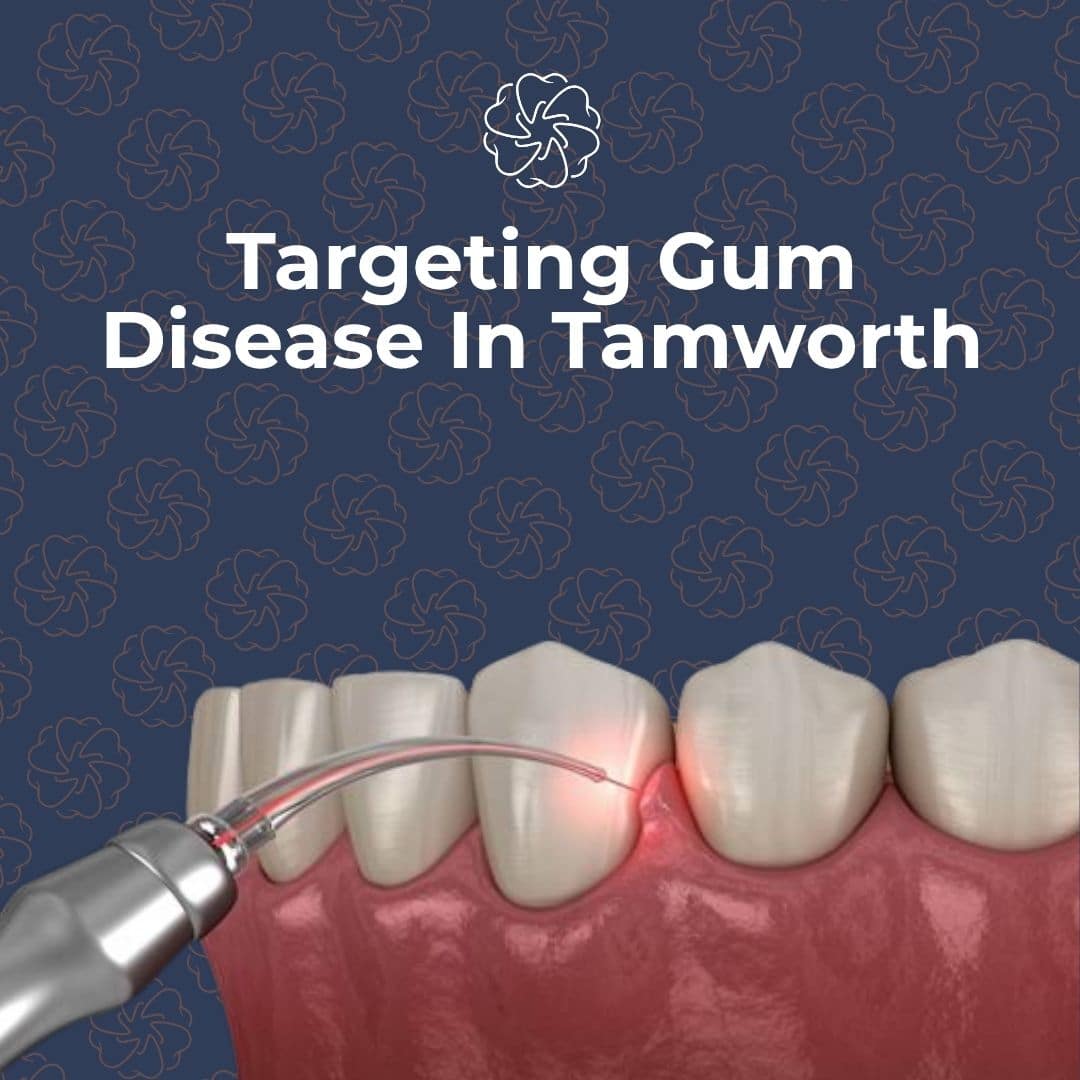
Plaque, tartar and harmful bacteria are carefully removed from above and below the gum line. Depending on your needs, treatment may include scaling, root surface debridement or several appointments to thoroughly clean affected areas and help reduce gum inflammation.
3
Maintenance and Ongoing Care
Once your gums are stabilised, we will provide personalised advice on brushing, interdental cleaning and maintaining your oral health at home. Regular gum health reviews and hygiene appointments help monitor your progress, prevent further disease and protect your smile long term.
Gum Disease FAQs
Considering gum disease treatment in Tamworth? These frequently asked questions explain everything you need to know about diagnosing and treating gum disease, including symptoms, treatment options, costs, prevention, aftercare and how early treatment can help protect your teeth, gums and long-term oral health.
The cost of gum disease treatment depends on the severity of your condition and the treatment required. During your consultation, we’ll assess your gum health, explain your treatment options and provide a personalised quotation before any treatment begins. Regular maintenance appointments may also be recommended to help keep your gums healthy long term.
Early signs of gum disease include red, swollen or bleeding gums, persistent bad breath, tenderness and gum recession. As the condition progresses, you may notice loose teeth or discomfort when chewing. Early diagnosis and treatment can help prevent permanent damage to your gums and supporting bone.
In its early stages (gingivitis), gum disease can usually be reversed with professional cleaning and good oral hygiene. More advanced gum disease (periodontitis) cannot be completely cured, but it can be effectively managed with ongoing treatment and regular maintenance to prevent further damage.
Most patients find gum disease treatment comfortable. If deeper cleaning below the gum line is required, we can use local anaesthetic to ensure the area is numb throughout the procedure. You may experience mild tenderness afterwards, but this usually settles within a few days.
Treatment varies depending on the severity of your gum disease. Mild cases may only require one hygiene appointment, while more advanced cases may need several visits for deep cleaning and ongoing review appointments to monitor healing and maintain healthy gums.
Yes. If left untreated, advanced gum disease can damage the bone and tissues supporting your teeth, eventually causing them to become loose or fall out. Early diagnosis and treatment significantly reduce the risk of tooth loss.
Maintaining excellent oral hygiene is essential. Brushing twice daily, cleaning between your teeth, attending regular hygiene appointments and following your personalised aftercare advice all help prevent plaque build-up and reduce the risk of future gum disease.
Anyone showing signs of gum disease, such as bleeding gums, persistent bad breath or gum recession, may benefit from treatment. Even if your symptoms are mild, early intervention can help protect your teeth and gums and prevent more complex treatment in the future.
Meet Your Dental Clinicians
Dr Bosun Hong: Implant Dentist GDC: 228703
Dr Bosun Hong is a Specialist Oral Surgeon, implantologist and sedation provider with extensive experience in dental implants and oral surgery. She is passionate about helping patients feel comfortable throughout their treatment and achieving the healthy, confident smile they truly deserve. Bosun combines advanced surgical expertise with a gentle, caring approach, using modern digital technology to carefully plan treatment and deliver the best possible outcomes. Her calm, reassuring manner helps patients feel relaxed and supported every step of the way.
Hannah O’Donovan Dental Hygienist GDC: 113547
Hannah began her career in dentistry in 2001 as a dental nurse at Birmingham Dental Hospital, where she gained her NVQ Level 3 and later worked in the Oral Surgery Department, gaining an additional qualification in sedation dental nursing. She went on to study Dental Hygiene at the University of Bristol, graduating in 2007. Hannah joined Dale House Dental Practice in 2016 and has been a valued member of the team ever since. Outside of work, Hannah enjoys spending time with her husband and two children, going to the gym, running, and following Formula 1 and athletics.
Emma Cave Dental Hygienist
GDC: 247141
Emma began her career in dentistry in 2011 as a Dental Nurse at Dale House Dental Practice. She later studied at university in Sheffield, qualifying as a Dental Therapist in 2021. After gaining experience in a variety of dental settings, Emma returned to Dale House in 2024 as part of the hygiene team. Emma is passionate about providing comfortable, personalised care and helping patients achieve and maintain healthy smiles. Outside of dentistry, she enjoys spending time with family and friends and taking her three dogs on long walks.
What to Expect Before and After Gum Disease Treatment
From your initial gum health assessment through to professional deep cleaning and ongoing maintenance, we’ll guide you through every stage of treatment. Learn how we assess your gums, control infection and help you maintain a healthier, more stable smile for the long term.
Understanding your gum health
Your first appointment begins with a thorough examination of your teeth and gums. We’ll check for bleeding, inflammation, gum recession and deeper pockets around the teeth before creating a personalised treatment plan.
-
Assess your teeth, gums and overall oral health
-
Measure gum pockets and identify signs of disease
-
Create a personalised gum treatment plan
Deep cleaning to control infection
We carefully remove plaque, tartar and harmful bacteria from above and below the gum line. Depending on the severity of your gum disease, treatment may be completed over one or more appointments.
-
Remove plaque and tartar below the gum line
-
Reduce harmful bacteria and inflammation
-
Support healing and healthier gums
Protecting your gums for the future
After treatment, we’ll help you maintain healthier gums with regular reviews and tailored home-care advice. Ongoing maintenance is essential for reducing the risk of gum disease returning.
-
Monitor your gum health and healing
-
Improve brushing and interdental cleaning
-
Schedule ongoing maintenance appointments